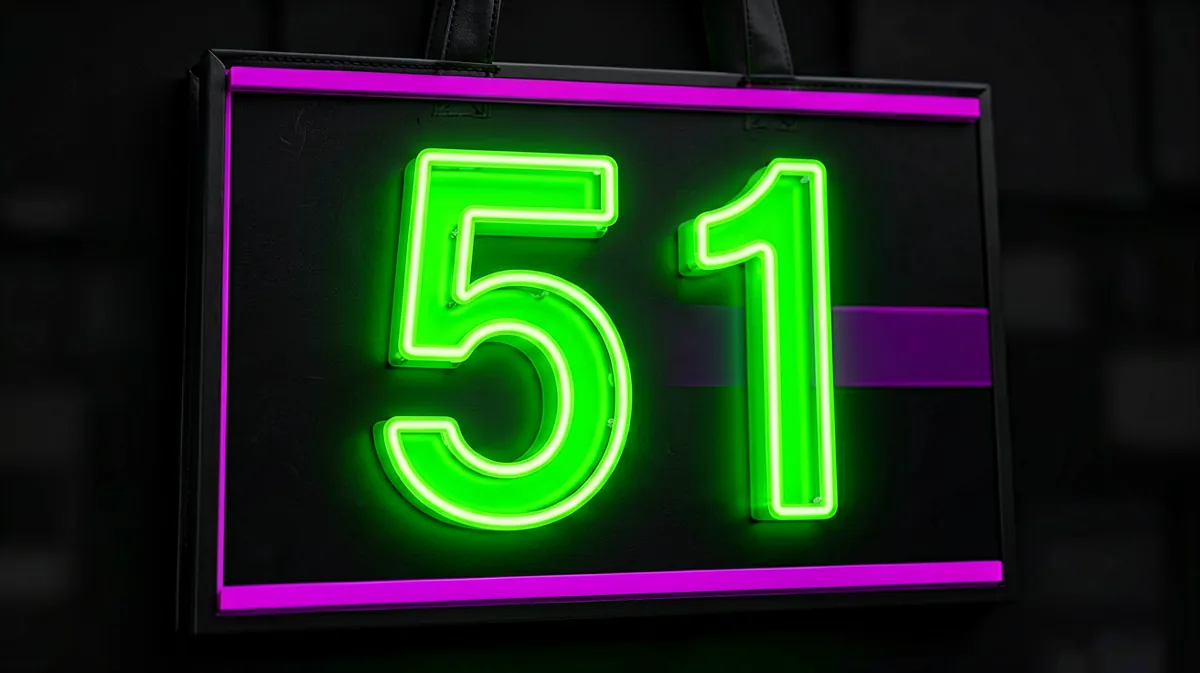
At 5-1, a $1 winning bet returns $5 profit plus your $1 stake back — $6 total. That's the whole formula. Horse racing odds in the US are displayed in fractional format on the tote board, and they move continuously until the gates open.
What Do Fractional Odds Actually Mean?
Fractional odds express profit relative to stake. Read them as "profit-to-stake." At 5-1, you win $5 for every $1 wagered. At 7-2, you win $7 for every $2 wagered — or $3.50 per $1. At even money (1-1), profit equals stake.
A few quick examples using a $2 base wager, the standard minimum at most US tracks:
- 5-1 on a $2 bet: $10 profit + $2 stake = $12 payout
- 3-1 on a $2 bet: $6 profit + $2 stake = $8 payout
- 1-2 (odds-on favorite) on a $2 bet: $1 profit + $2 stake = $3 payout
Odds-on prices like 1-2 mean the horse is expected to win more than half the time. You're risking more than you stand to gain in profit — common for heavy favorites.
How Do Horse Racing Odds Change Before the Race?
Unlike a sportsbook, there's no bookmaker setting fixed lines. Horse racing uses a pari-mutuel pool system where every bet on a horse changes that horse's odds in real time. More money on a horse, shorter odds. Money shifts elsewhere, the odds drift out.
The tote board refreshes roughly every 90 seconds. What you see at post time is what you get — the "morning line" posted earlier is just the track oddsmaker's estimate, not a locked price. Check the morning line odds guide to understand how to use that estimate as a handicapping reference rather than a betting guarantee.
How to Read the Tote Board
The tote board shows each horse's current odds next to its program number. Odds-on favorites appear as fractions below 1-1, such as 4-5 or 1-2. Heavy longshots can sit at 30-1 or higher. Some ADW platforms also display decimal odds alongside fractional ones — decimal odds include your stake in the return figure, so 5-1 fractional equals 6.0 decimal.
What Is the Takeout and Why Does It Matter for Payouts?
The track removes a percentage of every pool before calculating payouts. That cut — the takeout — typically runs 14% to 25% depending on bet type and track. Straight bets like win, place, and show carry lower takeout than exotics. The horse racing takeout rate is essentially the house edge, and it's baked into the odds you see on the board.
This means a horse displaying 5-1 would theoretically pay more in a zero-takeout world. The pool math absorbs that cut silently. You never receive true fair-value odds.
Why Does a Big Win Trigger a Tax Form?
A payout of $600 or more that is also at least 300 times the wager amount triggers a W-2G form. Federal withholding of 24% kicks in above $5,000 in winnings. For full details, see the W-2G threshold explainer and review IRS Topic No. 419.
Where Do the Bet Types Fit In?
Straight bets — win, place, show — are the clearest application of these odds. Win, place, and show wagers each draw from separate pools, so the odds you see on the tote apply specifically to the win pool. Place and show payouts are calculated from their own separate pools and are typically lower.
Exotic bets like the exacta and trifecta use the same pari-mutuel math but with higher takeout. The exacta vs. trifecta breakdown covers how pool size and field size affect realistic payouts on those wagers.
Must be 18+ in most states (21+ in Texas). Gambling problem? Call 1-800-GAMBLER.